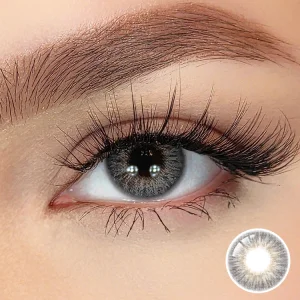
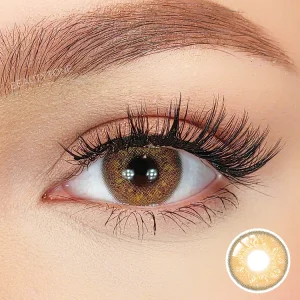
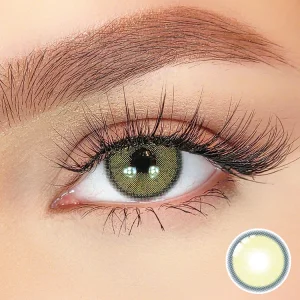
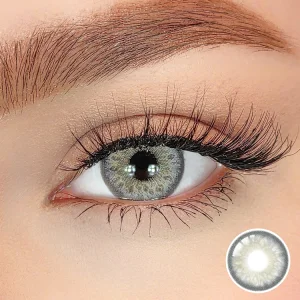
14.0mm Contact Lens Factories & Suppliers for the Tokyo Market

Premium OEM/ODM Manufacturing with Medical-Grade Compliance, PMDA-Aligned Precision, and China Factory 4.0 Supply Chain Efficiency.

Send Inquiry Now

100k

ISO Class 8 Cleanrooms

100%

Automated QA Inspection

14.0mm

Optimized Tokyo Fitting

PMDA

Targeted Standards Compliance

The Tokyo Lens Market: Demographics & 14.0mm Geometric Significance

A B2B perspective on Japan's largest consumer hub for contact lenses and advanced ocular medical products.

Understanding Tokyo's Strict Aesthetic & Optical Demands

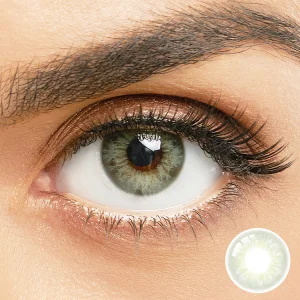
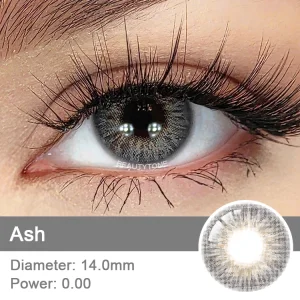
In Tokyo's highly competitive vision care and cosmetics sector, the 14.0mm diameter contact lens has emerged as the definitive benchmark for the "natural beauty" (Natural-Kei) movement. Unlike markets that prioritize excessively enlarged eyes (typically 14.5mm or larger), Tokyo’s urban professionals, campus students, and trendsetting influencers favor 14.0mm lenses. This specific sizing delivers an optimal 1:2:1 ratio (white-iris-white), aligning perfectly with the natural anatomical structures of Asian eyes.

Furthermore, Tokyo’s regulatory environment is managed strictly by the PMDA (Pharmaceuticals and Medical Devices Agency). Contact lenses, categorized as Class III Highly Controlled Medical Devices, must maintain flawless centering, exceptional hydration, and reliable oxygen transmissibility (DK/t values). For suppliers, mastering the 14.0mm configuration is not merely about aesthetic compliance—it is about rigorous geometric precision and biocompatible material science.

The Shift Toward Sophisticated Daily and Short-Cycle Disposables

The Tokyo market is undergoing a rapid transition. While yearly and monthly lenses remain staple bulk requests for international distributors, local retail chains in districts like Ginza, Shibuya, and Shinjuku report exponential growth in daily and weekly disposables. Urban users prioritize clean, dry-eye-reducing daily hydrogels. By operating advanced casting lines capable of utilizing modern PolyHEMA and high-permeability Hydrogel polymers, Chroma Lenses meets these requirements directly at source.

Key Trends in the Japanese Color Lens Market

👁️

Minimalist Edge Printing

Tokyo consumers reject harsh limbal rings. They prefer soft, pixelated, transition-fade edges that blend naturally with native brown irises.

🛡️

Double-Clad Color Locking

Safety is the primary selling point. Chroma Lenses leverages sandwich technology (sandwich cast molding) so pigment particles never contact the cornea.

💧

Hyaluronic Acid-Infused Packaging

With Tokyo's dry winter climate and high screen-time offices, blister solution infused with lubricating agents is highly sought after by local importers.
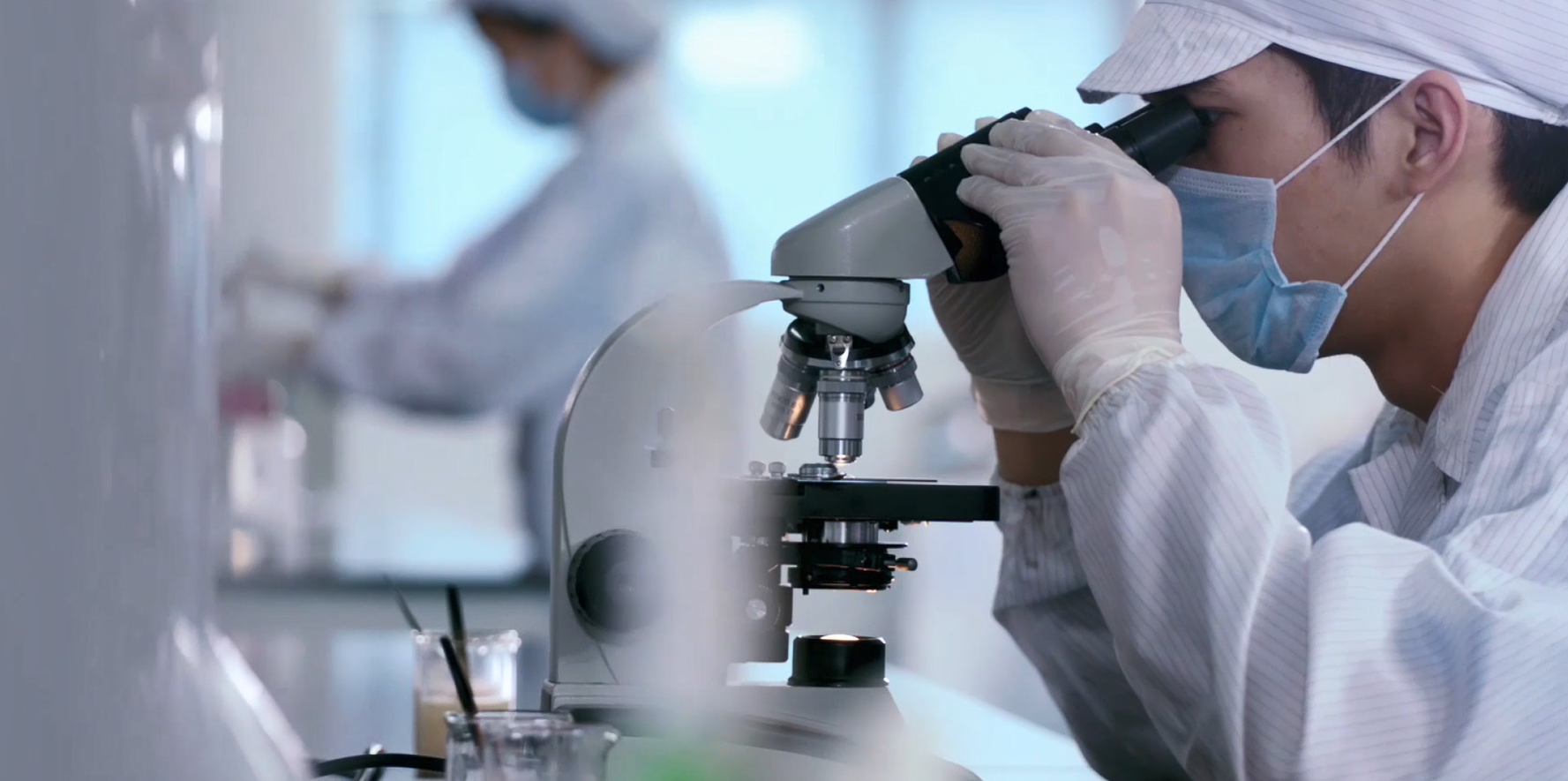
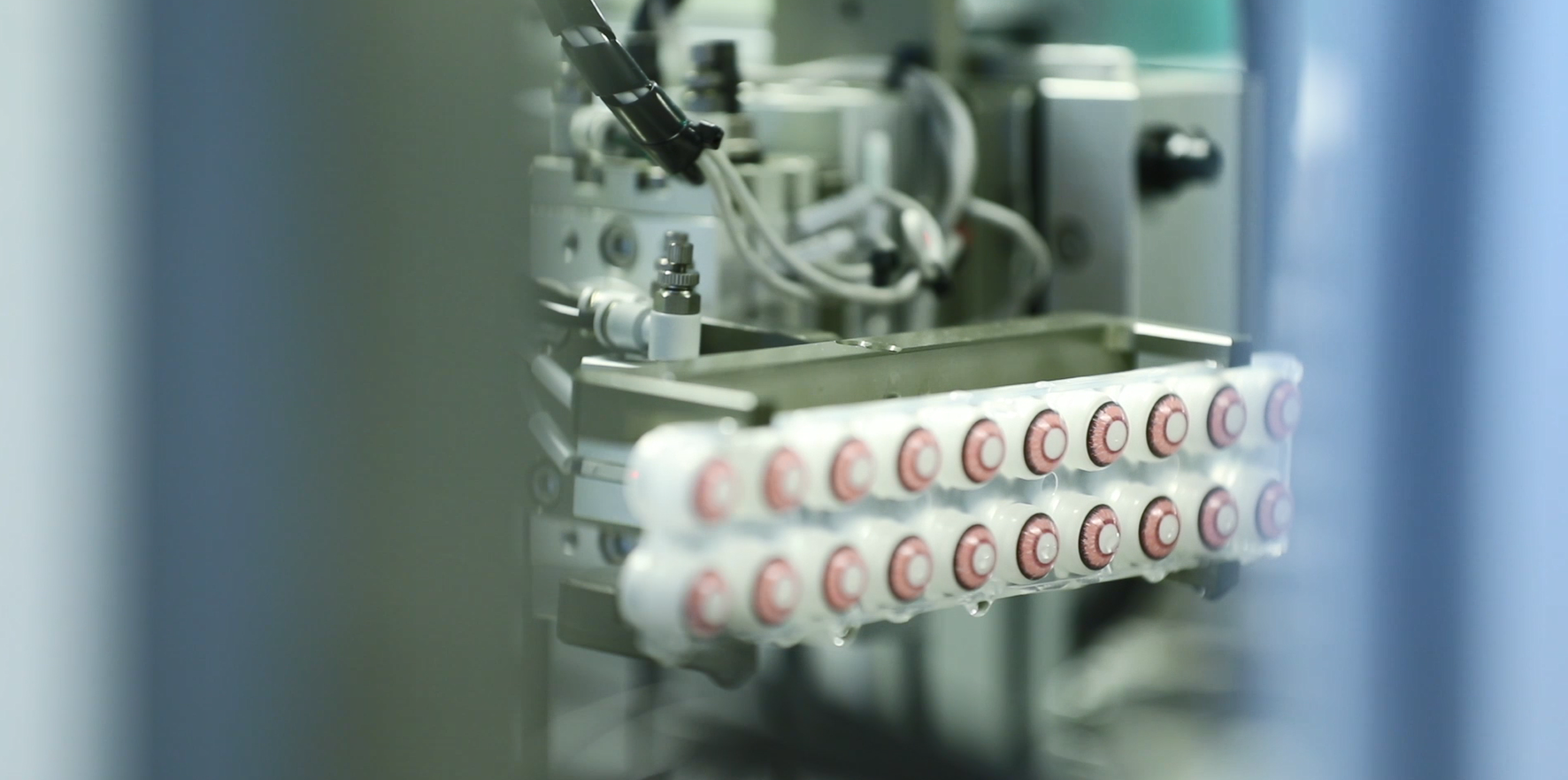
Corporate Profile: Guangzhou Chroma Lenses Technology Co., Ltd.

Your institutional-grade partner bridging cutting-edge optical engineering with scaled B2B supply chains.

Guangzhou Chroma Lenses Technology Co., Ltd. is an industrial-scale manufacturer specializing in the R&D and mass production of high-quality contact lenses and cosmetic colored lenses. Located in the manufacturing hub of Dongguan, China, we operate a fully integrated facility that bridges cutting-edge optical technology with robust supply chain capabilities.

As a dedicated B2B partner, we specialize in OEM, ODM, and turnkey private-label solutions. From material compounding (Hydrogel/Polyhema) to bespoke pattern design and compliant blister packaging, we provide global distributors, eyewear boutiques, and optical chains in Tokyo with unparalleled stability, scale, and clinical-level safety.

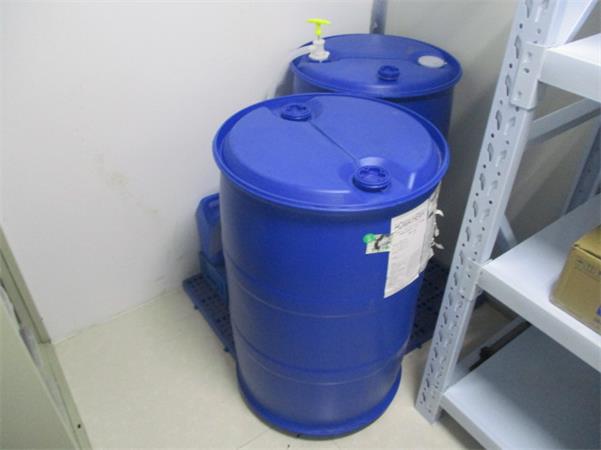
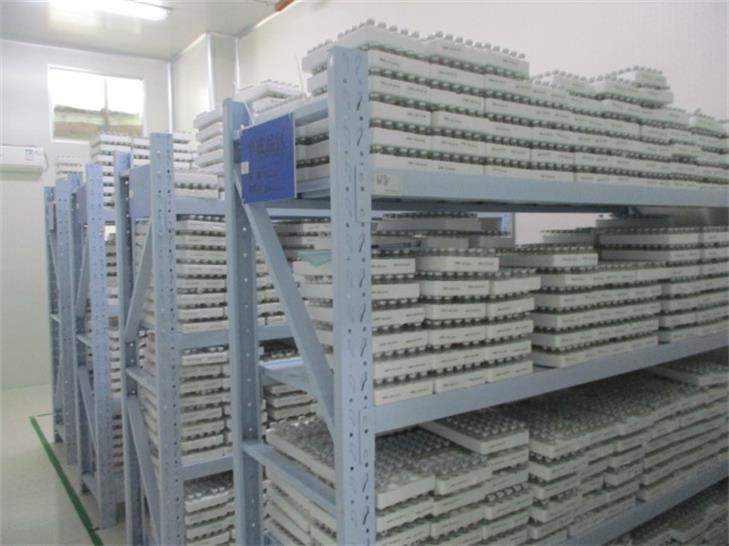
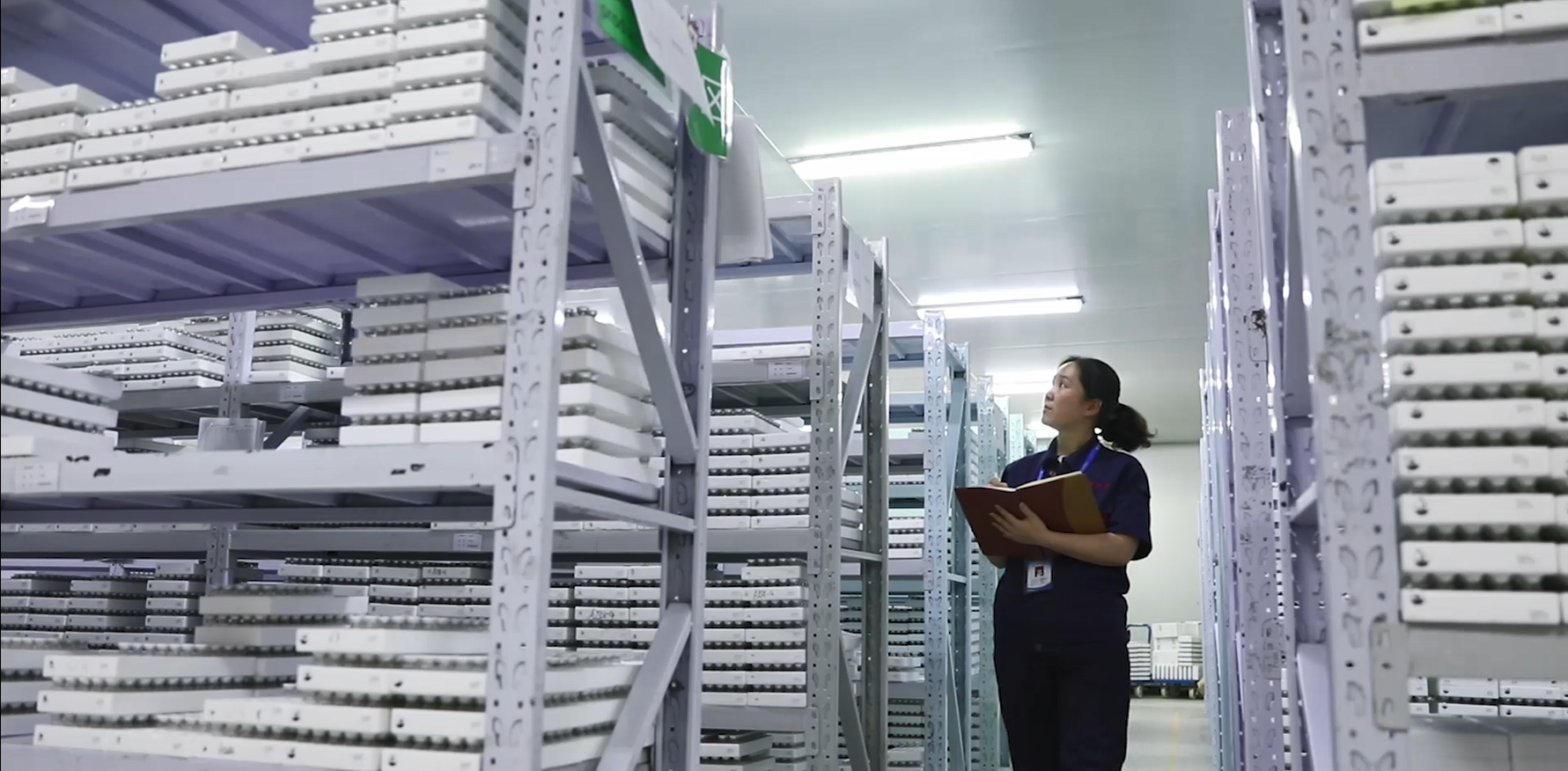
  • Production Capacity: Equipped with automated high-speed cast-molding lines operating within a Class 100,000 (ISO 8) cleanroom environment.
  • Quality Assurance: 100% full-inspection workflow, including automated geometric tolerance testing, power verification, and cosmetic defect screening.
  • Compliance: Built upon strict international quality control systems, fully meeting CE, ISO 13485, and global medical device standards.
Chroma Lenses Cleanroom Facility Automated Production Machinery

China Factory 4.0: Advancing Supply Chain Resilience for Tokyo Importers

How digital integration, high-capacity automation, and lean supply networks mitigate procurement risk.

⚙️

Smart Cast-Molding

Our casting processes are entirely software-driven, ensuring uniform base curve (BC) distribution and minimal batch-to-batch structural variance, critical for strict PMDA inspection levels.

📊

Bespoke OEM/ODM Design

With an active database of over 1,500 textures and gradient patterns, our colorists can prototype custom-tailored 14.0mm color paths matching Tokyo seasonal fashion cycles within 7 working days.

Agile Logistics Pipeline

Situated in the Pearl River Delta, our facility coordinates direct rapid-sea or express-air transit directly into Tokyo Port and Narita Airport, securing low cargo transit times and intact cooling chains.

End-to-End High Precision Manufacturing Process

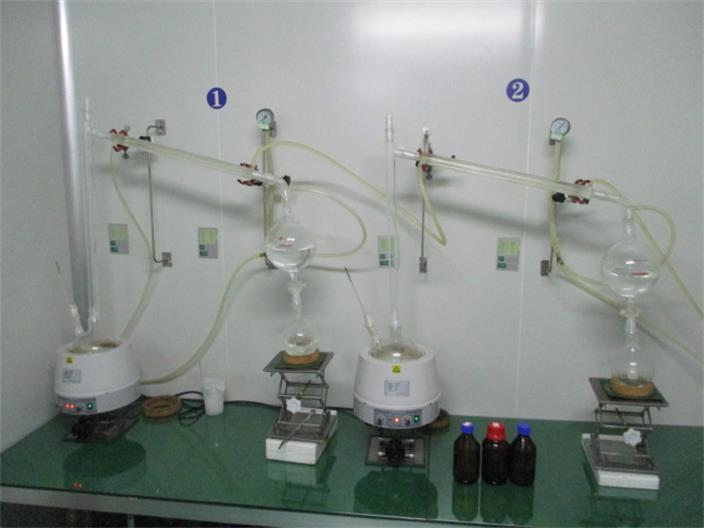
A fully transparent look into our 100,000-class sterile production line and comprehensive state-of-the-art testing equipment.

Raw Materials
1. Raw Materials Inspection
Purification
2. Ultra-Purification
Ingredients
3. Polymer Mixing
Filling
4. Precision Filling
Curing
5. Thermosetting Curing
Machine Work
6. Edge Milling & Machining
Projection Test
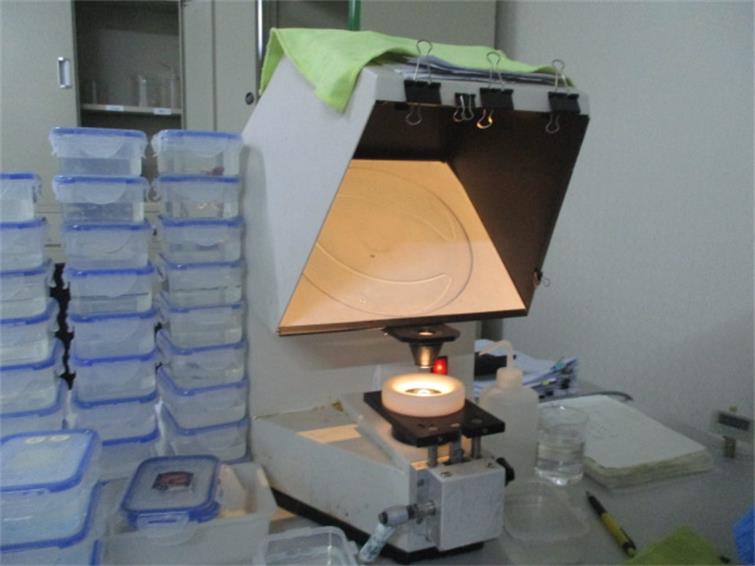
7. 10x Optical Projection
Cleaning
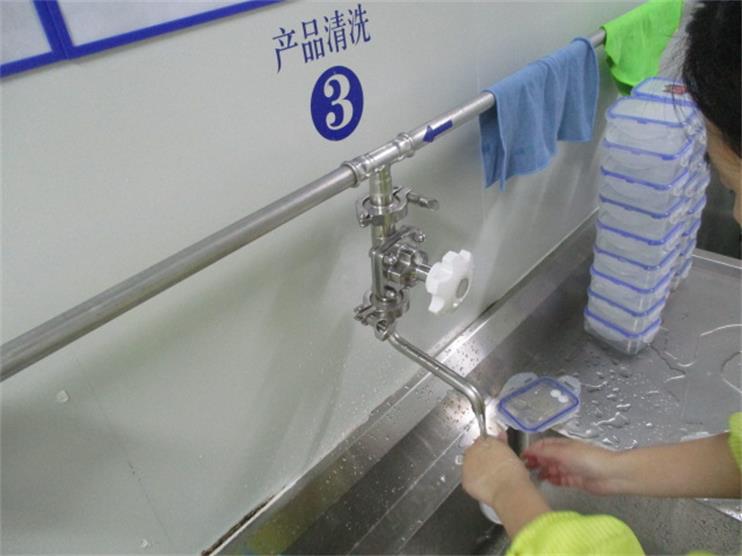
8. Multi-Stage Hydration
Canned
9. Saline Sealing
Sterilization
10. High-Temp Steam Sterilization
Packaging
11. Automated Blister Pack
Lot Storage
12. Digital Batch Archiving

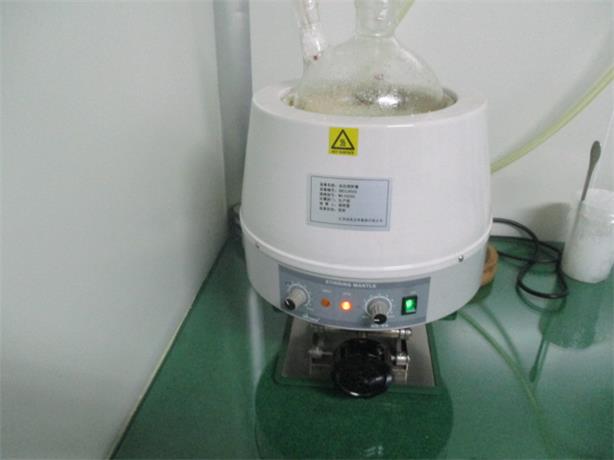
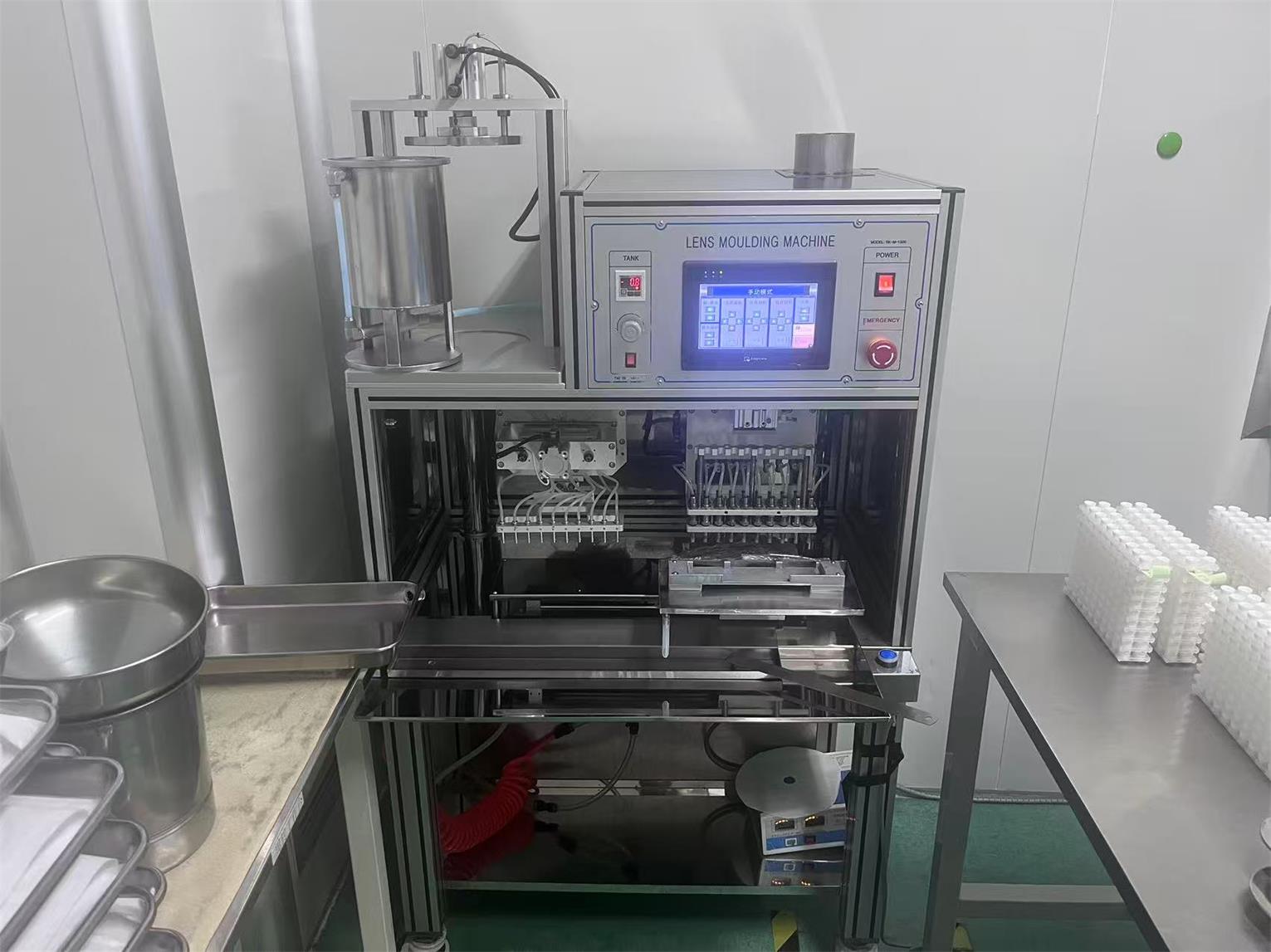
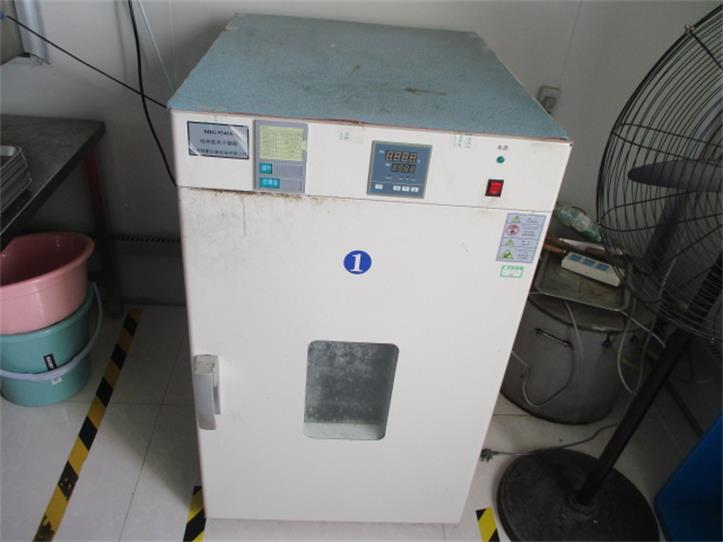
Premium Testing Equipment and Heavy Industrial Tooling

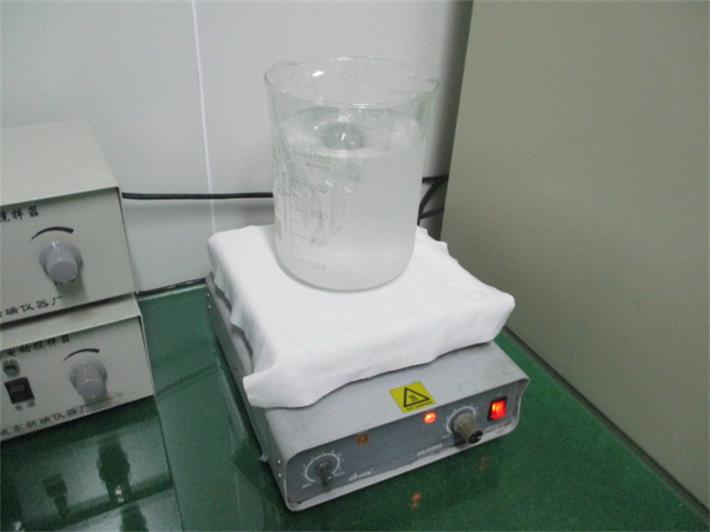
Stirring Mantle
Stirring Mantle
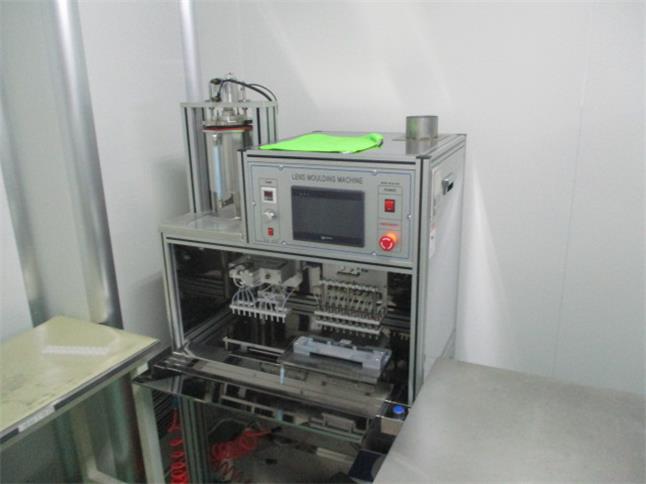
Lens Moulding Machine
Moulding Unit
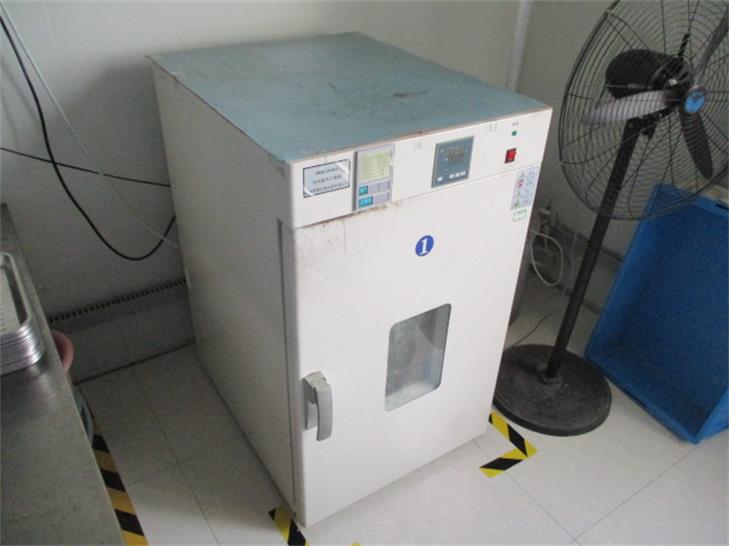
Electric Blast Drying Oven
Blast Oven
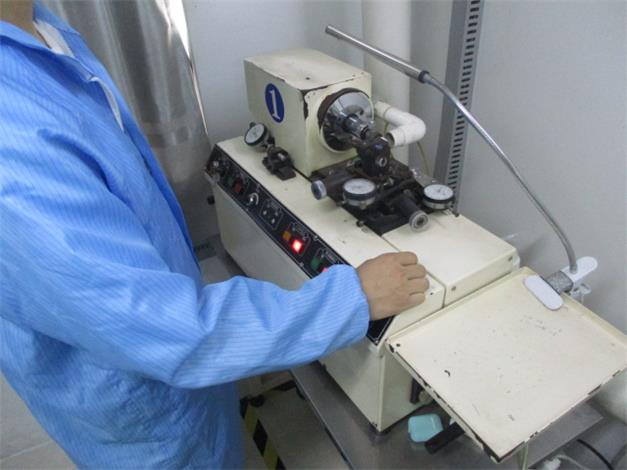
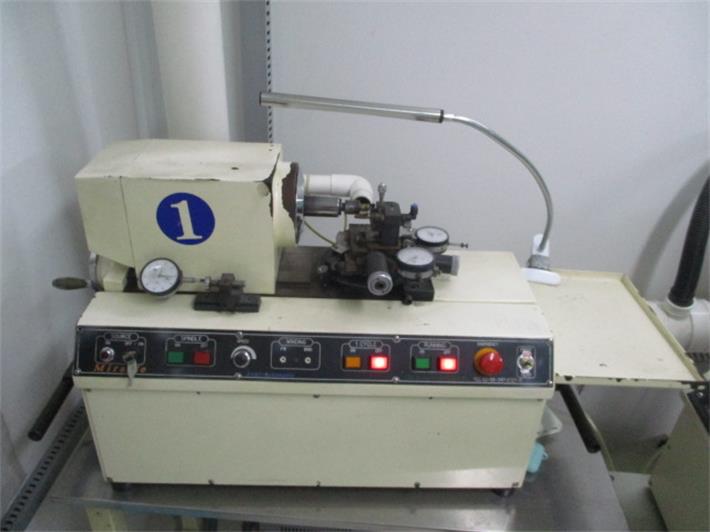
Precision Lathe
Precision Lathe
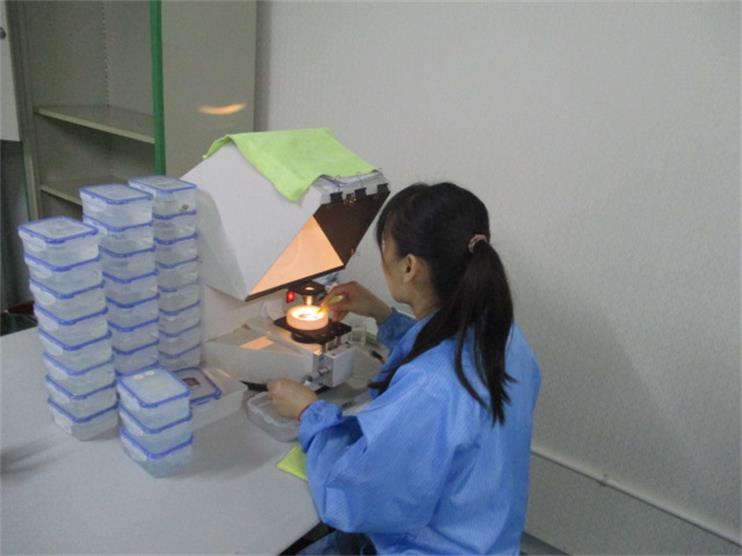
Projection Testing Instrument
Projection QA
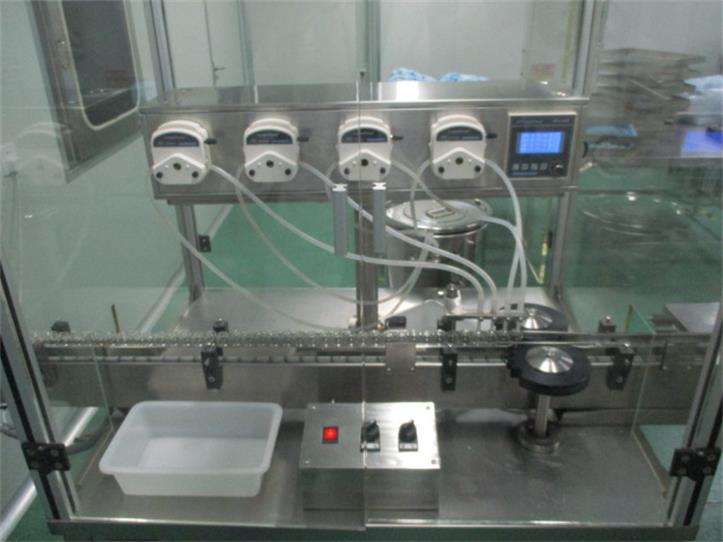
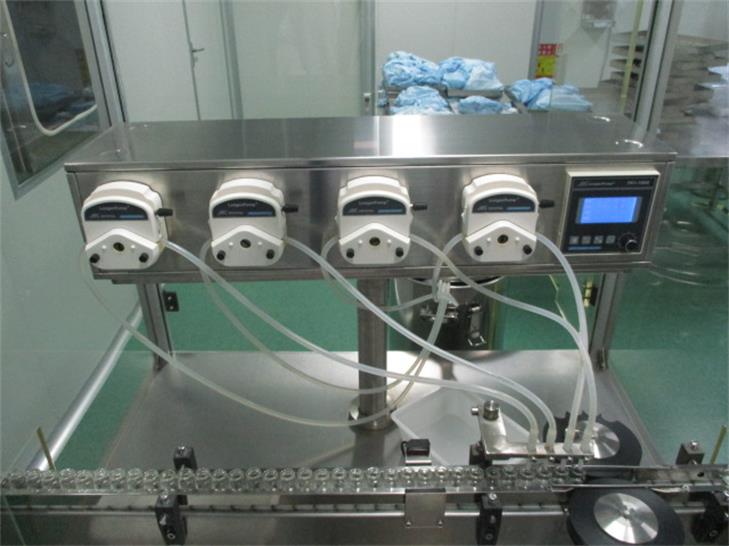
Liquid Tank Machine
Hydration Line
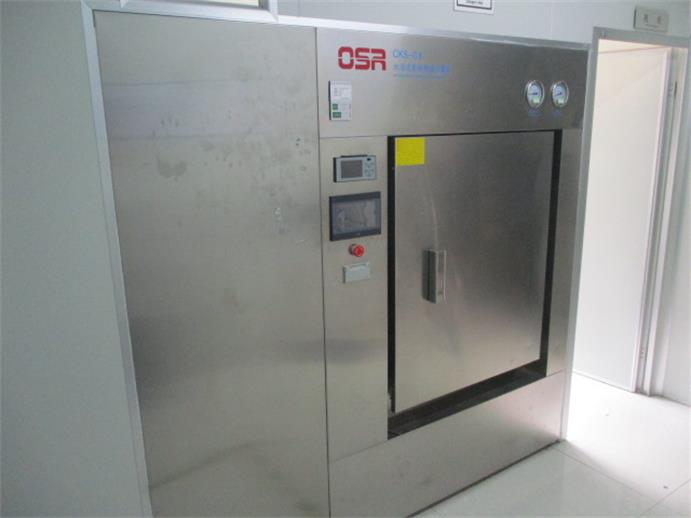
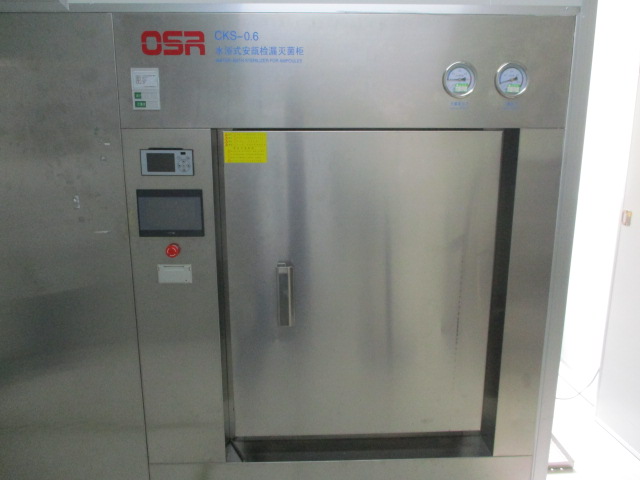
Water-Bath sterilizer For Ampoules
Autoclave Unit
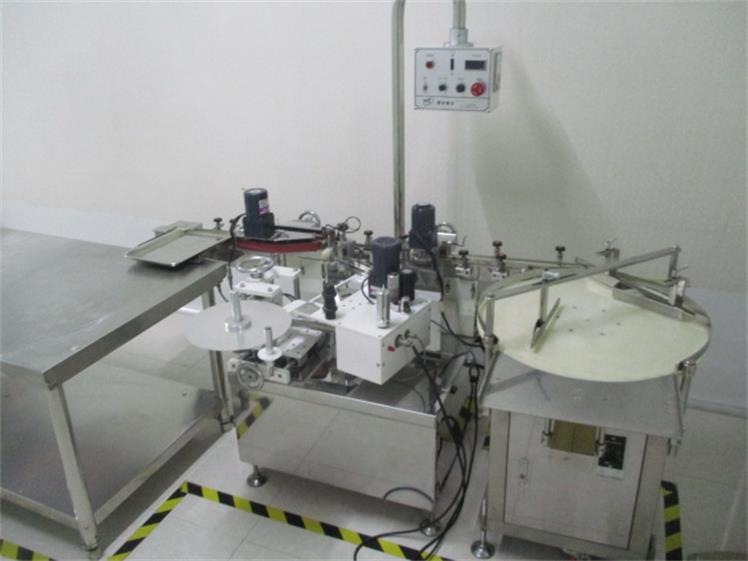
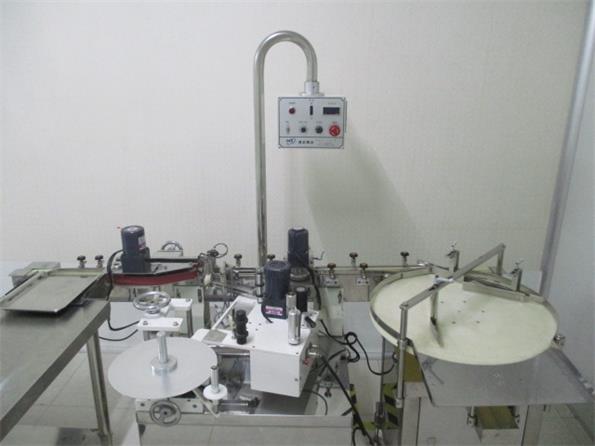
Labeling Machine
Precision Labeller
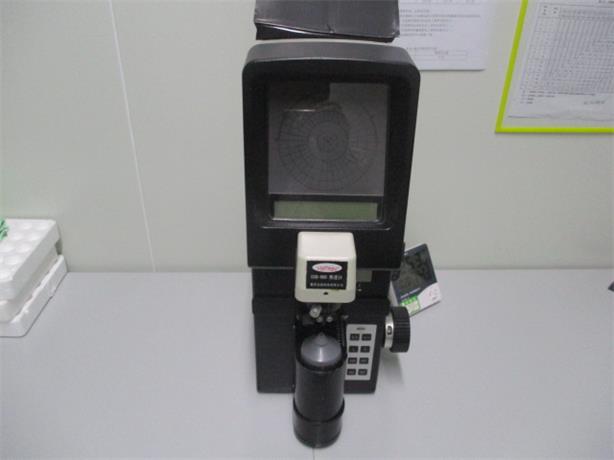
The Focal Meter
Focal Meter
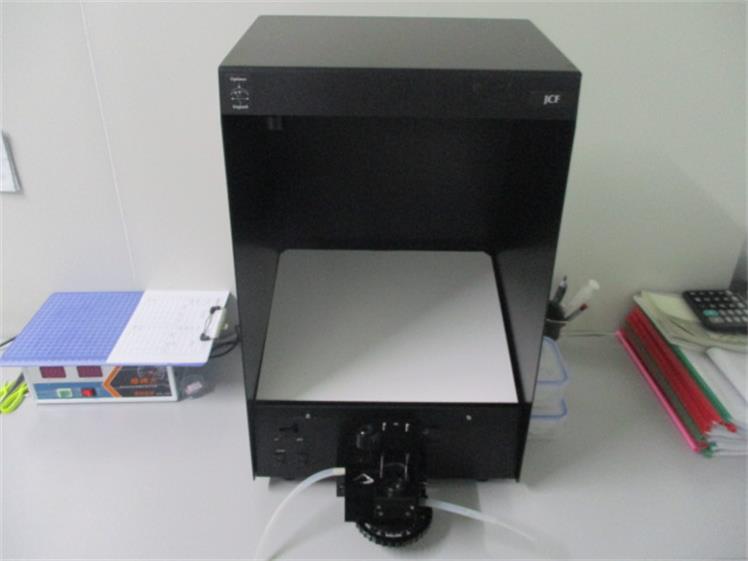
Contact Lens Tester
Geometric Tester
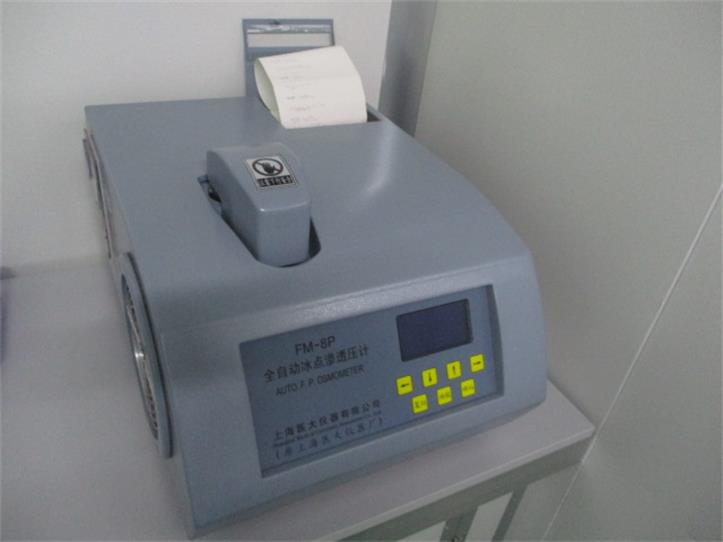
Auto.F.P.OSMOMETER
Osmometer
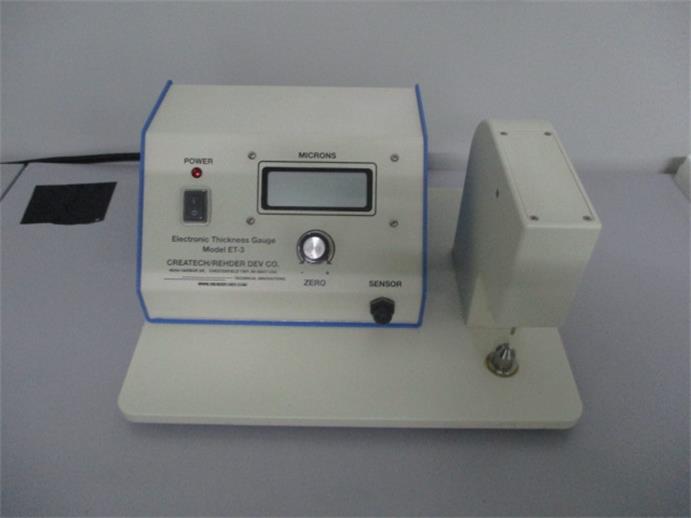
Electronic Thickness Gauge
Thickness Gauge
Design Process
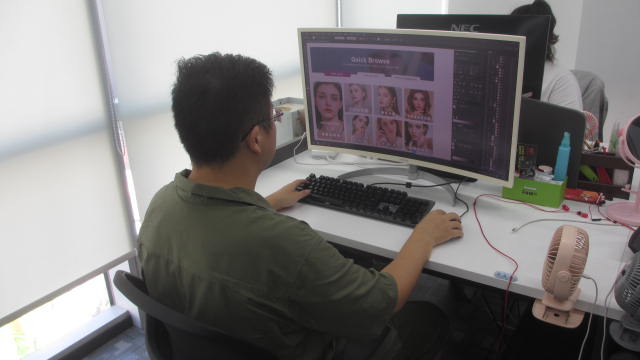
CAD Aesthetic Patterning
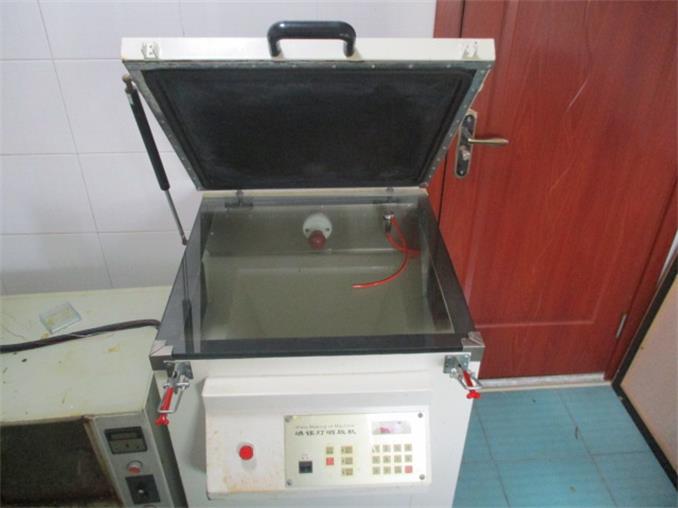
Plate Making of Machine
Laser Micro-Plate Making
Printing Pattern Quality
Micro-Dot Transfer Alignment
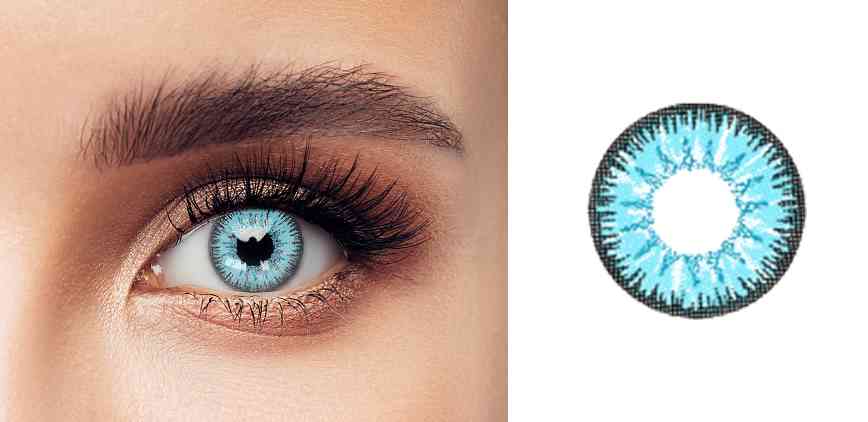
Optical Quality Inspection
Visual Center Calibration

Global Enterprise Sourcing & Compliance Strategies

A systematic framework for large optical distributors in Tokyo navigating supply security and custom formulation.

1. Material Consistency (Hydrogel vs. Silicone Hydrogel)

For Japanese B2B buyers, consistency in material compounding is essential. Our laboratory monitors continuous polymerization systems to guarantee moisture rates remain constant within ±1% across millions of batches. Utilizing PolyHEMA-based soft formulations enables excellent mechanical strength during manufacturing, minimizing micro-tears during cleanroom packing.

2. Zero-Leakage Blister Sealing & Package Design

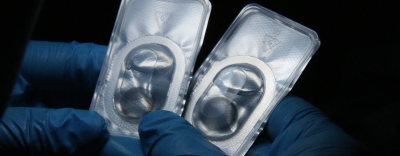
In Tokyo's retail environment, product shelf presentation and packaging integrity are non-negotiable. Our blister packaging machines use premium food/medical-grade foil with high-purity polypropylene cups, preventing evaporation and maintaining pH levels identical to human tears (7.2 - 7.4) over long-term storage cycles.

3. Complete Document Traceability System

Under our strict Quality Management System (QMS), every single 14.0mm contact lens shipped to the Tokyo market carries an individual batch code linked directly to our materials database and cleanroom environmental logs. This robust tracking architecture guarantees complete readiness for PMDA audits and local custom clearance validations.

Direct Channel for Tokyo Importers

Our executive accounts team provides direct English-language technical support, processing customized mold tooling calculations and logistics planning swiftly.

Connect with Optical Engineer

Complete 14.0mm Contact Lens Catalog

Comprehensive wholesale range suitable for Japanese high-end cosmetic networks and optical chains.

Regulatory Verification & Laboratory Controls

Ensuring absolute compliance with strict medical standards required by international distribution frameworks.

CE Standard Document Certification

CE Medical Compliance

Full validation for direct entry into high-standard optical retail markets across Europe and associated trading partners.

ISO Medical Quality Management Certificate

ISO 13485 Standard

Global medical devices quality management system verification, securing complete batch manufacturing tracking.

FDA and International Clearances

Global Standards Audit

Extensively proven testing procedures, making PMDA equivalent validation paths highly seamless for Japanese importers.
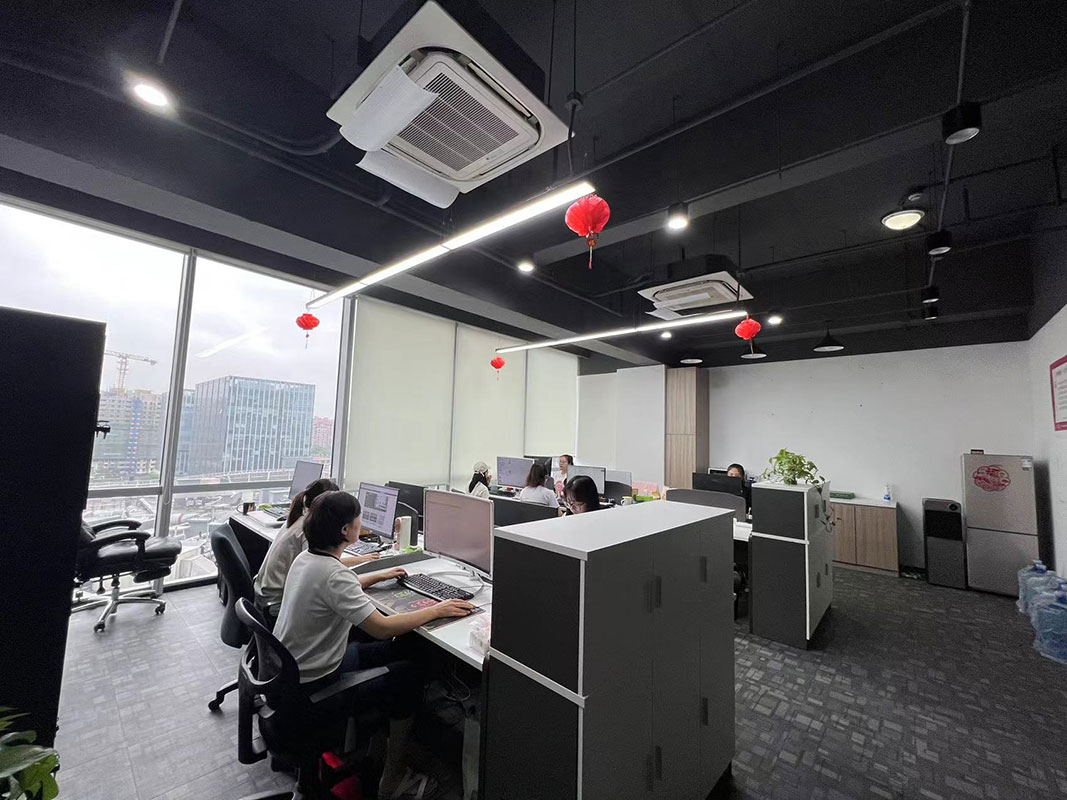
Localized Applications: Sourcing for Tokyo's Key Retail Channels

Aligning manufacturing specifications to diverse aesthetic subcultures and physical point-of-sale setups.

1. Shibuya Cosmetics Retail Outlets

Highly dynamic fashion trends require high-mix low-volume production capability. Importers target our 14.0mm color paths to launch season-specific product packaging rapidly without risking bloated inventory carrying costs.

2. Shinjuku Cosplay & Visual Subcultures

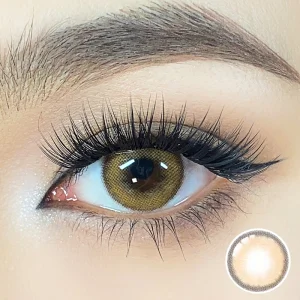
Demands extremely bold pigmentation patterns (such as our Rinnegan and Mist Gray styles) while strictly preserving physiological safety standards. High-water content ensures lenses stay hydrated under heavy photographic studio lighting.

3. Ginza Optical Boutiques

Premium medical packaging is key. For high-end clinics, we supply sterile blister lines featuring hyaluronic-acid enriched solutions and customized luxury box-art sleeves matching minimalist Japanese design preferences.

Deep-Dive Q&A: B2B Procurement and PMDA Compliance for Tokyo

Actionable regulatory, technical, and supply chain answers for professional buyers.
🔍 What are the strict import requirements for contact lenses entering the Tokyo market?
In Japan, contact lenses are classified as highly controlled medical devices (Class III). To import them legally, your Japanese entity or local partner must hold a Medical Device Marketing License (Dai-isshu Seizohanbaigyo) issued by the PMDA. Chroma Lenses provides comprehensive technical documents, ISO 13485 test data, sterile validation reports, and raw material chemical formulations to support your local registration process.
🔍 Why is the 14.0mm diameter highly preferred over larger sizes in Japan?
The 14.0mm physical diameter, coupled with a graphic diameter range between 13.0mm and 13.4mm, matches the Asian orbital anatomy. It creates a natural iris enlarging effect that seamlessly integrates with daily lifestyle and workplace wear, aligning perfectly with the Japanese standard for understated elegance.
🔍 How does China Factory 4.0 integration benefit Tokyo optical brands?
By shifting to digitized, automated cast-molding systems, we eliminate manual errors. This translates to incredibly low unit defect rates (under 0.05%), highly consistent base curves (BC), and rapid prototyping times. It enables Tokyo businesses to compete effectively with fast product lifecycles and stable margins.


🔍 Can you provide custom logo print packaging (Private Label/OEM)?
Yes, completely. We specialize in comprehensive turnkey private-label solutions. We can design customized box art, print specific labeling in Japanese (as required by local health departments), and construct custom structural configurations to match your brand's unique market position.

Accelerate Your Supply Chain in the Tokyo Eyewear Market

Partner with Guangzhou Chroma Lenses Technology for highly stable, sterile, and compliant 14.0mm colored and optical lens solutions. Our specialized engineers are ready to assist with technical drawings, quotation sheets, and compliance verification paths.

Send Inquiry Now